


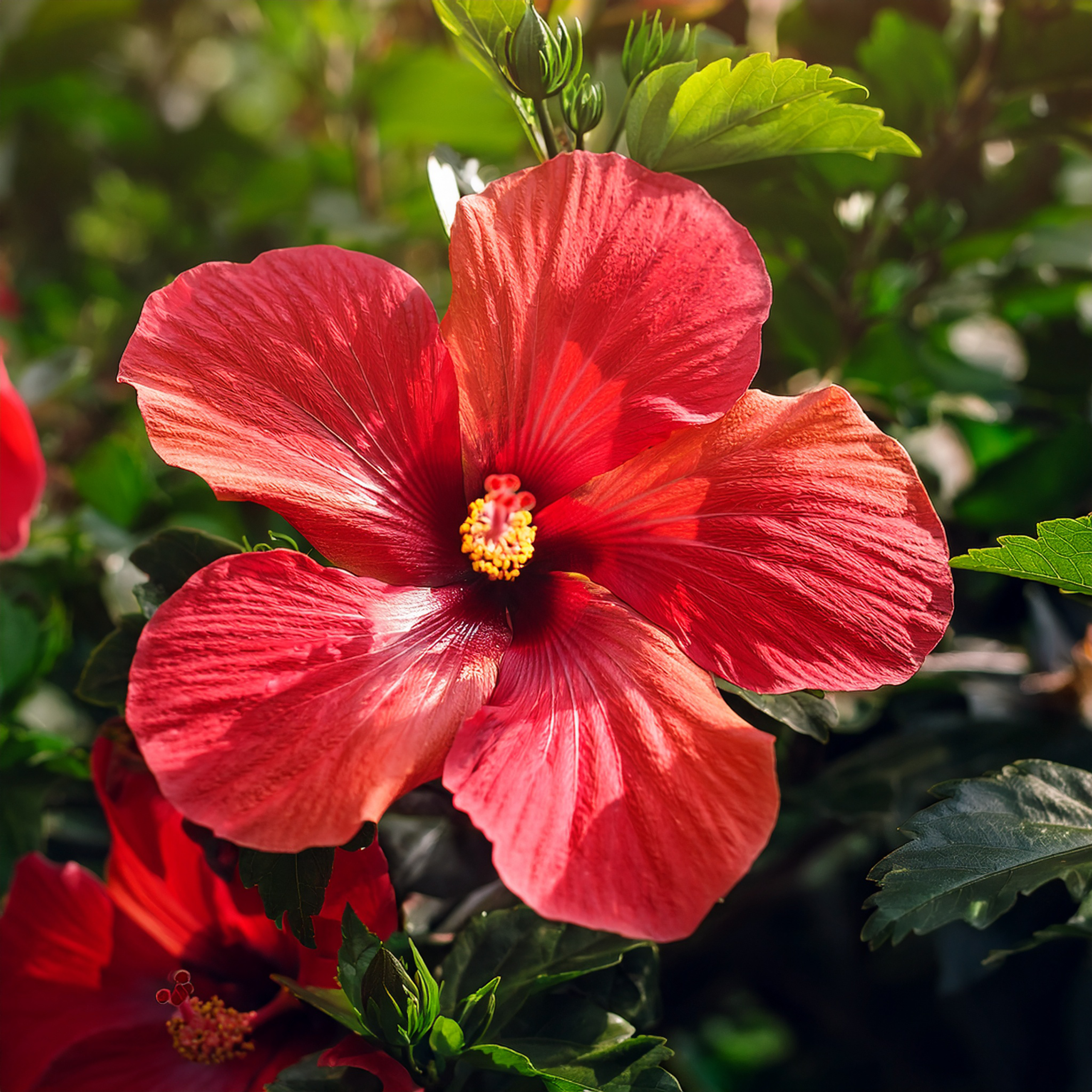
Hibiscus Flower Tea – A Centuries-Old Tradition, Natural Vitality and Modern Scientific Interest
Hibiscus (Hibiscus sabdariffa), also known as roselle, is a plant whose story spans centuries across different cultures. It has been used both as a refreshing everyday drink and as part of traditional folk medicine, especially in Africa, the Middle East, and Asia. Tea made from hibiscus, often known as karkade, is not only beautifully deep red in colour and pleasantly tart in taste – it is also a versatile part of traditional well-being practices.
In Arab tradition, hibiscus tea is known as a drink that supports the body holistically – not just a single function, but the balance, vitality, and resilience of the entire body. It has even been called “the drink of vitality and longevity.”
Natural Detoxification and Fluid Balance
One of the most important traditional uses of hibiscus relates to supporting the body’s natural elimination processes. It has been used to increase urine output, support kidney function, promote the elimination of metabolic waste and support the body’s natural “cleansing” processes.
Hibiscus is described as having a mild diuretic effect, helping the body eliminate excess fluid. At the same time, it supports the normal function of the urinary tract. In Indigenous medicine, this has been considered an important part of maintaining the body’s natural balance.
Energy, Endurance and Strengthening the Body
Although hibiscus flower tea is naturally caffeine-free, it has still been used as a refreshing and revitalising drink. Its effect is not a sudden boost, but rather a steady, strengthening support for the body.
Traditionally, hibiscus has been used to treat mental and physical fatigue, support concentration and performance, increase vitality and alertness, and strengthen the body after exertion.
Its tonic effect means that it supports the body’s ability to recover and adapt to stress. In this way, hibiscus not only provides a temporary boost but also contributes to longer-term resilience and energy.
Circulation, Capillaries and Heart Health
The effects of hibiscus flowers on circulation have long been recognised in traditional use. It has been used to strengthen capillaries, support microcirculation and help reduce the sensation of heavy legs.
These effects are closely linked to the anthocyanins and other bioactive compounds in hibiscus that influence blood vessel walls.
Modern research has also shown interest in hibiscus from a cardiovascular perspective. Studies suggest that hibiscus may help lower blood pressure, influence cholesterol levels and reduce the accumulation of “bad” LDL cholesterol.
However, it is important to note that many studies have been conducted using concentrated extracts, and further research is needed to confirm the effects of hibiscus tea itself.
Digestion, Liver and Metabolism
Hibiscus flowers also have a long history of supporting digestion. Traditionally, it has been used to:
– promote digestion
– support intestinal function
– stimulate appetite
– maintain regular bowel movements
Hibiscus flowers has also been believed to stimulate bile production, which supports fat digestion.
In folk medicine, hibiscus has been associated with supporting liver and pancreatic function and improving metabolism. Some studies suggest that hibiscus may also influence fatty liver and help protect liver cells.
Antioxidants and Cellular Protection
Hibiscus Flower is particularly well known for its high antioxidant content. Compounds such as:
– polyphenols
– flavonoids
– anthocyanins
act as antioxidants in the body, helping to protect cells from oxidative stress.
In addition, hibiscus contains:
– vitamin C
– small amounts of B vitamins
– minerals such as calcium, magnesium, potassium, and iron
One especially interesting compound is quercetin, which has traditionally been associated with supporting vision, reducing eye fatigue, and helping the body eliminate waste products.
Antibacterial Properties and Traditional Uses
In Arab traditional medicine, hibiscus has also been used as an antibacterial support, to relieve spasms, to support the immune system and to protect the body from harmful influences.
Studies have shown that hibiscus extract may inhibit the growth of certain bacteria, although these findings are based on laboratory conditions.
Weight Management, Blood Sugar and Metabolism – What Does Research Say?
Recent research has brought additional interesting insights into hibiscus. Some studies suggest that it may support weight management, influence blood sugar levels and improve fat metabolism. However, it is important to emphasise that many of these effects have been observed with concentrated extracts rather than tea.
A Versatile Drink – Hot or Cold
Hibiscus Flower tea is an easy and enjoyable addition to daily life. It can be prepared simply by steeping dried hibiscus petals in hot water.
One of its greatest advantages is its versatility:
– enjoyed hot, it can be soothing and support digestion
– enjoyed cold, it is refreshing and thirst-quenching
Traditionally, it has also been observed that cold hibiscus drinks may help cool the body, while hot tea may create a warming effect.
Important Considerations
Although hibiscus flower tea is suitable for many people, it is important to note that:
– It may lower blood pressure
– It may interact with certain medications
– It contains oxalic acid and is not recommended for people with kidney conditions
– Its use during pregnancy should be considered carefully
Conclusion – A Traditional Drink in a Modern Lifestyle
Hibiscus tea brings together centuries of tradition and modern interest in natural well-being. It is not a miracle cure, but it is a versatile, natural, and enjoyable way to support the body’s balance.
It offers:
– refreshment without caffeine
– support for the body’s natural functions
– antioxidant protection
– a moment of calm in everyday life
A cup of hibiscus tea is more than just a drink – it is part of a holistic approach to well-being.
Hibiscus (Hibiscus sabdariffa), also known as roselle, is a plant whose story spans centuries across different cultures. It has been used both as a refreshing everyday drink and as part of traditional folk medicine, especially in Africa, the Middle East, and Asia. Tea made from hibiscus, often known as karkade, is not only beautifully deep red in colour and pleasantly tart in taste – it is also a versatile part of traditional well-being practices.
In Arab tradition, hibiscus tea is known as a drink that supports the body holistically – not just a single function, but the balance, vitality, and resilience of the entire body. It has even been called “the drink of vitality and longevity.”
Natural Detoxification and Fluid Balance
One of the most important traditional uses of hibiscus relates to supporting the body’s natural elimination processes. It has been used to increase urine output, support kidney function, promote the elimination of metabolic waste and support the body’s natural “cleansing” processes.
Hibiscus is described as having a mild diuretic effect, helping the body eliminate excess fluid. At the same time, it supports the normal function of the urinary tract. In Indigenous medicine, this has been considered an important part of maintaining the body’s natural balance.
Energy, Endurance and Strengthening the Body
Although hibiscus flower tea is naturally caffeine-free, it has still been used as a refreshing and revitalising drink. Its effect is not a sudden boost, but rather a steady, strengthening support for the body.
Traditionally, hibiscus has been used to treat mental and physical fatigue, support concentration and performance, increase vitality and alertness, and strengthen the body after exertion.
Its tonic effect means that it supports the body’s ability to recover and adapt to stress. In this way, hibiscus not only provides a temporary boost but also contributes to longer-term resilience and energy.
Circulation, Capillaries and Heart Health
The effects of hibiscus flowers on circulation have long been recognised in traditional use. It has been used to strengthen capillaries, support microcirculation and help reduce the sensation of heavy legs.
These effects are closely linked to the anthocyanins and other bioactive compounds in hibiscus that influence blood vessel walls.
Modern research has also shown interest in hibiscus from a cardiovascular perspective. Studies suggest that hibiscus may help lower blood pressure, influence cholesterol levels and reduce the accumulation of “bad” LDL cholesterol.
However, it is important to note that many studies have been conducted using concentrated extracts, and further research is needed to confirm the effects of hibiscus tea itself.
Digestion, Liver and Metabolism
Hibiscus flowers also have a long history of supporting digestion. Traditionally, it has been used to:
– promote digestion
– support intestinal function
– stimulate appetite
– maintain regular bowel movements
Hibiscus flowers has also been believed to stimulate bile production, which supports fat digestion.
In folk medicine, hibiscus has been associated with supporting liver and pancreatic function and improving metabolism. Some studies suggest that hibiscus may also influence fatty liver and help protect liver cells.
Antioxidants and Cellular Protection
Hibiscus Flower is particularly well known for its high antioxidant content. Compounds such as:
– polyphenols
– flavonoids
– anthocyanins
act as antioxidants in the body, helping to protect cells from oxidative stress.
In addition, hibiscus contains:
– vitamin C
– small amounts of B vitamins
– minerals such as calcium, magnesium, potassium, and iron
One especially interesting compound is quercetin, which has traditionally been associated with supporting vision, reducing eye fatigue, and helping the body eliminate waste products.
Antibacterial Properties and Traditional Uses
In Arab traditional medicine, hibiscus has also been used as an antibacterial support, to relieve spasms, to support the immune system and to protect the body from harmful influences.
Studies have shown that hibiscus extract may inhibit the growth of certain bacteria, although these findings are based on laboratory conditions.
Weight Management, Blood Sugar and Metabolism – What Does Research Say?
Recent research has brought additional interesting insights into hibiscus. Some studies suggest that it may support weight management, influence blood sugar levels and improve fat metabolism. However, it is important to emphasise that many of these effects have been observed with concentrated extracts rather than tea.
A Versatile Drink – Hot or Cold
Hibiscus Flower tea is an easy and enjoyable addition to daily life. It can be prepared simply by steeping dried hibiscus petals in hot water.
One of its greatest advantages is its versatility:
– enjoyed hot, it can be soothing and support digestion
– enjoyed cold, it is refreshing and thirst-quenching
Traditionally, it has also been observed that cold hibiscus drinks may help cool the body, while hot tea may create a warming effect.
Important Considerations
Although hibiscus flower tea is suitable for many people, it is important to note that:
– It may lower blood pressure
– It may interact with certain medications
– It contains oxalic acid and is not recommended for people with kidney conditions
– Its use during pregnancy should be considered carefully
Conclusion – A Traditional Drink in a Modern Lifestyle
Hibiscus tea brings together centuries of tradition and modern interest in natural well-being. It is not a miracle cure, but it is a versatile, natural, and enjoyable way to support the body’s balance.
It offers:
– refreshment without caffeine
– support for the body’s natural functions
– antioxidant protection
– a moment of calm in everyday life
A cup of hibiscus tea is more than just a drink – it is part of a holistic approach to well-being.
Key Benefits of Hibiscus Flower Tea at a Glance:
- Supports the body’s natural elimination and detoxification processes
- Contributes to normal urinary tract function
- Helps reduce fatigue and increase energy
- Supports mental and physical performance
- Promotes digestion and intestinal function
- Supports circulation and a light feeling in the body
- Rich in antioxidants
- Contains vitamin C and minerals
If you’d like to experience the benefits of hibiscus flower tea yourself, explore our selection and find your favourite. https://melie.fi/en/tuote/hibiscus-herbaltea/
References:
https://www.medicalnewstoday.com/articles/318120#summary
https://www.healthline.com/nutrition/hibiscus-tea-benefits#liver-health