


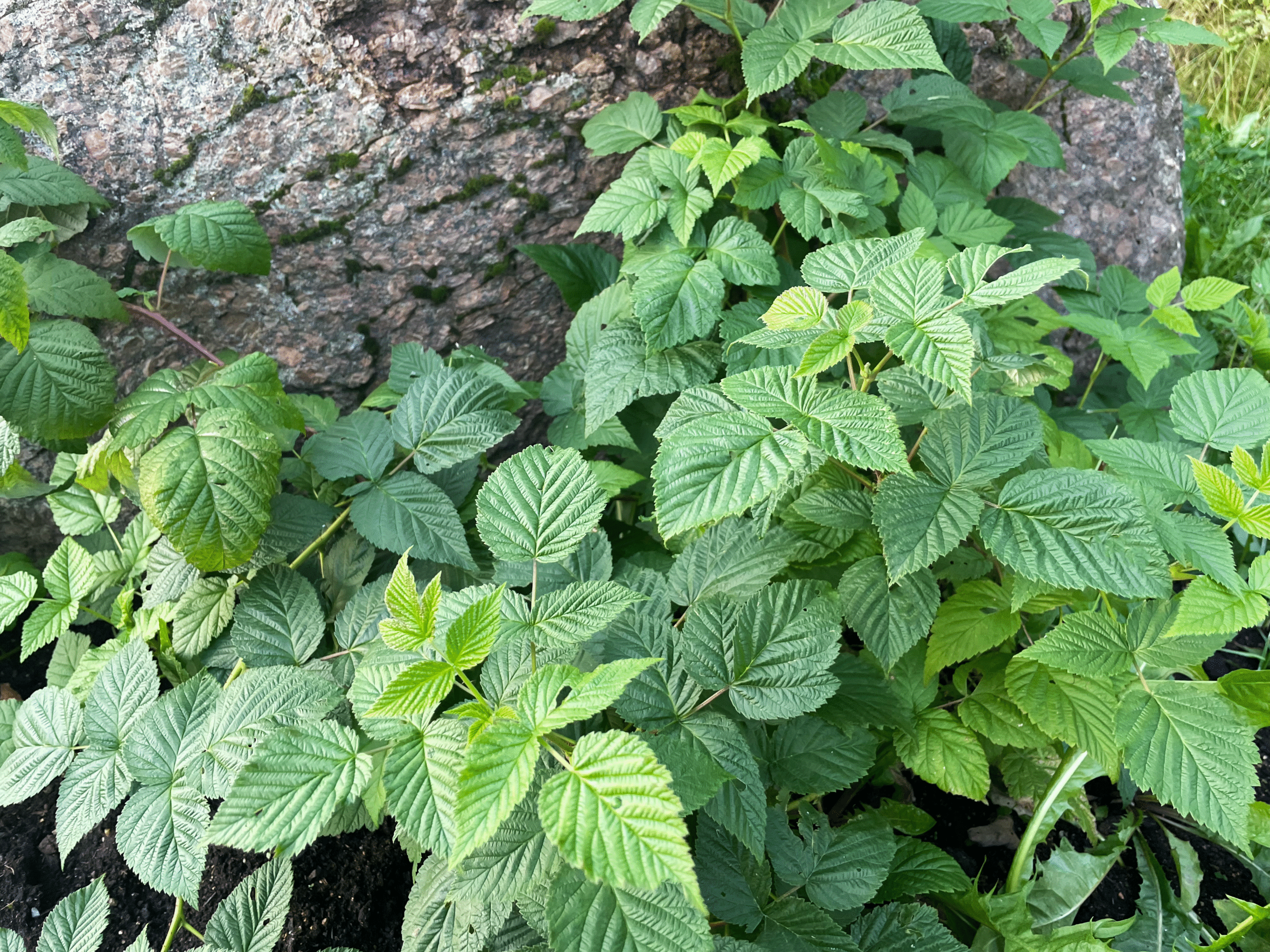
Health Benefits of Raspberry Leaf Tea – Natural Support for Women and for Fighting Colds
The red raspberry (Rubus idaeus) is familiar both from forest paths and home gardens. The berries are best known as a sweet summer treat, but the leaves and stems are equally valuable, having been used in folk medicine for centuries. Today, raspberry leaf tea is the most well-known form, praised for its numerous health-supporting properties.
Raspberry in Folk Medicine
In traditional folk medicine, raspberries were used for almost every kind of ailment. Herbal tea was known as a sweat-inducing remedy for colds, and it also brought relief for coughs, sore throats, and fever.
Women used raspberries to ease painful menstruation, stop bleeding, and promote breast milk production. In addition, raspberries were believed to help with kidney and bladder problems, nerve issues, rheumatism, and even diabetes.
Old recipe for easing asthma:
- 1 glass of honey
- 1 glass of ripe red raspberries
- 1 glass of alcohol (e.g., spirits)
All ingredients were mixed, and the berries were crushed. Before bedtime, one tablespoon was taken in small sips, the chest was wrapped warmly, and one went to rest.
Raspberry Leaf Tea – A Rich Source of Antioxidants
Tea is famous for its abundance of antioxidants. These compounds help protect cells from free radicals, reduce inflammation, and may support the prevention of chronic diseases. The leaves also contain ellagic acids, which have been found to have anti-cancer properties.
How to prepare herbal tea:
- Place a Melie raspberry leaf tea bag in a cup and pour hot water over it.
- Let it steep for 10–15 minutes, strain, and drink.
- If desired, sweeten with honey or add a spoonful of blackcurrant jam.
Main uses and benefits of raspberries
| Symptom / Condition | How Raspberry Helps |
| Cough, cold, sore throat | Raspberry tea promotes sweating and relieves inflammation |
| Fever, common cold | Acts as a sweat-inducing and revitalizing drink |
| Menstrual pain, PMS | Relieves cramps, nausea, and mood swings |
| During pregnancy and at the end of pregnancy | May shorten labor and promote cervical ripening (under medical supervision) |
| During breastfeeding | Stimulates breast milk production |
| Digestive discomfort | Helps relieve mild diarrhea |
| Mild mouth or throat inflammation | Soothes inflammation and provides relief |
| Rheumatism and nerve disorders | Used in folk medicine as a pain reliever |
| Kidney and bladder ailments | Supports fluid elimination from the body |
| Diabetes (traditional use) | Used as a folk remedy, although not scientifically confirmed |
Support for Women’s Health
Raspberry leaf tea is one of the most popular natural beverages among women. It has been used to:
- relieve cramps and nausea during menstruation,
- ease PMS symptoms by reducing irritability and abdominal discomfort,
- promote cervical ripening and shorten labour in the late stages of pregnancy,
- stimulate breast milk production during breastfeeding.
It is important to know that raspberry leaf tea should not be consumed during pregnancy without medical supervision. Always consult your doctor or midwife, and stop using it immediately if any side effects occur (such as spotting or strong uterine contractions).
Other Health Benefits
According to studies, tea made from raspberry leaves can help relieve mild menstrual cramps, treat minor mouth or throat inflammation, and alleviate mild diarrhoea.
Recipe for a cold-relief drink:
- Add one Melie Herbal Tea Gro-Grokk tea bag to the teacup,
- 1 tsp honey,
- 50 ml herbal liqueur, dark rum or red wine (adults only) if desired,
- Let it steep for about 10 minutes to evaporate the alcohol, and enjoy warm,
- Wrap a warm robe or blanket around you and rest.
Summary
Raspberry is a valued medicinal plant. Tea made from its leaves is rich in antioxidants and may support both general health and women’s well-being. Whether used to ease menstrual discomfort, relieve cold symptoms, or prepare the body for childbirth in late pregnancy, raspberry has been a trusted ally through generations.
If you wish to try raspberry leaf tea, do so mindfully and in moderation. And remember — especially during pregnancy, it’s essential to consult a doctor. Nature’s support can be powerful, but it’s always wise to be cautious.
References:
https://herba.folklore.ee/?menu=taime&tid=961
https://www.healthline.com/nutrition/red-raspberry-leaf-tea#takeaway
https://pmc.ncbi.nlm.nih.gov/articles/PMC10383074/
https://www.webmd.com/diet/red-raspberry-leaf-tea-health-benefits
https://www.ema.europa.eu/en/medicines/herbal/rubi-idaei-folium